

Local Service
Fence Staining in San Antonio
Replacing a fence costs thousands. Protecting the one you have does not.
Fence staining in San Antonio is not cosmetic work. Untreated cedar and pine sitting through 100-degree summers and spring humidity will warp, crack, and turn grey fast, and that grey is dead wood fiber rather than a color problem.
SATX Painters has stained San Antonio fences since 2015 using paraffin oil-based stains that soak into the wood instead of sitting on top of it. Founder Emmanuel Lailson measures the fence and checks its condition before quoting.
Why do San Antonio fences turn grey so fast?
Intense UV breaks down the surface fibers while heat and humidity pull moisture in and out of the boards. The wood swells, shrinks, and eventually cups and splits.
The grey layer is oxidized wood fiber that has already failed. It is the first visible sign the boards are losing ground, not just a change in appearance.
Grey on an untreated wood fence is oxidized, dead surface fiber caused by UV breakdown, not surface dirt. A penetrating oil-based stain blocks UV and seals moisture out, which is what stops the greying. Washing alone does not reverse it, because the damaged fiber layer has to be removed before new stain can bond.
A penetrating oil stain blocks the UV and seals moisture out. That is the whole job.
Should you stain or paint a wood fence?
For a fence in South Texas, stain is the better call, and the reason is how each one fails.
Paint forms a film across the surface. Sun and seasonal swelling work on that film until it cracks and peels, and once peeling starts the only fix is scraping every board back before you can recoat. It also traps moisture against the wood, which is the opposite of what you want here.
Stain penetrates the wood fibers and protects from the inside. The wood still breathes, so moisture is not trapped, and when the stain eventually fades it fades evenly. A recoat goes straight over the old one with no scraping.
Paint and stain fail differently on wood fences. Paint forms a surface film that cracks and peels, requiring full removal before recoating. Penetrating stain fades evenly and allows a new coat to be applied directly over the old, which is why stain is the standard choice in hot, humid climates.
Paint fails loudly and is miserable to redo. Stain fades gracefully and is easy to refresh.
Our deep-bond restoration process
Most big-box stains sit on the surface like a film and peel within a season or two. Ours are paraffin oil-based and penetrate the fiber. Four steps make that work.
- 1Clean and revitalize: We apply eco-friendly oxygen bleach to kill the algae and mold spores that thrive after a humid San Antonio spring. That green film prevents stain from bonding.
- 2Check the moisture: We never stain damp wood. Crews use digital moisture meters to confirm the boards read below 12 percent moisture content, which is the threshold where stain absorbs instead of sitting on the surface.
- 3Low-pressure rinse: High-pressure washing furs the grain and leaves a rough surface behind. We use a gentle, high-volume rinse that strips grey oxidation without tearing up the wood.
- 4Spray and back-brush: We spray for even coverage, then hand-brush every board to work pigment into the pores. Spraying alone leaves thin spots and a blotchy finish.
How long does fence staining take?
Two to three days end to end, though actual crew time is usually one to two. Cleaning happens on day one, the wood dries for 24 to 48 hours, then we stain. We do not shorten the dry-out. Staining wet wood is the single most common reason a fence peels a year later, and no amount of good product fixes it.
Matching the stain to your wood type
Different species take stain differently, and we adjust for what is actually on your property. Fences around Stone Oak, Cibolo, and Fair Oaks vary more than people expect.
- Western red cedar: The standard for Texas fences. We use transparent or semi-transparent oils that bring out the natural tannins while preventing the silvering.
- Pressure-treated pine: Common on new builds. This wood needs a weathering period before it will accept stain at all, and the treatment chemicals reject stain applied too early.
- Already-grey wood: If the fence has gone silver, the restoration step strips the dead top layer of fiber before we seal it, which brings back a fresh-wood look rather than staining over damage.
Choosing your color
We offer finishes from Natural Cedar to Dark Walnut. Every option carries the same protection, so the color is a preference rather than a durability decision. Emmanuel will match it to your house and hardscape during the walkthrough.
If you are refreshing the exterior of the house too, the colors get coordinated together.
The water-bead test you can run yourself
After we finish, water beads on the surface instead of soaking into the grain. Run a hose on it after the first rain and you can see it working. That same test tells you when it is time to recoat. When water stops beading and starts absorbing, the stain has given out.
Why San Antonio homeowners hire SATX Painters
- Staining San Antonio fences since 2015
- Emmanuel Lailson measures and inspects every fence before quoting
- Paraffin oil-based stains that penetrate rather than film over
- Digital moisture meters on every job, with a 12 percent threshold before staining
- Low-pressure rinse that strips oxidation without furring the grain
- Every board hand back-brushed after spraying
- Finishes from Natural Cedar to Dark Walnut
- 2-year workmanship warranty
- 5.0 stars on Google, where every review is a 5-star review
- Serving San Antonio, Boerne, and New Braunfels
About SATX Painters
Emmanuel Lailson founded SATX Painters in 2015 and handles the walkthrough himself.
Because we also handle exterior painting and pressure washing, a fence job can be scheduled alongside the rest of the property rather than as a separate visit.
Frequently Asked Questions
Get the fence measured before the next dry stretch
Request an Estimate(210) 934-3511
A fence that is fading is a straightforward stain job. The same fence after another summer needs restoration first, which is more work and more money for the same result. Emmanuel will measure your fence and give you a written number, free. Call (210) 934-3511 or request an estimate and we will respond within 24 to 48 hours.
Request Your Free Estimate
- No-obligation quote
- Response within 24 to 48 hours
- Licensed & insured
Or call (210) 934-3511
Projects We've Completed
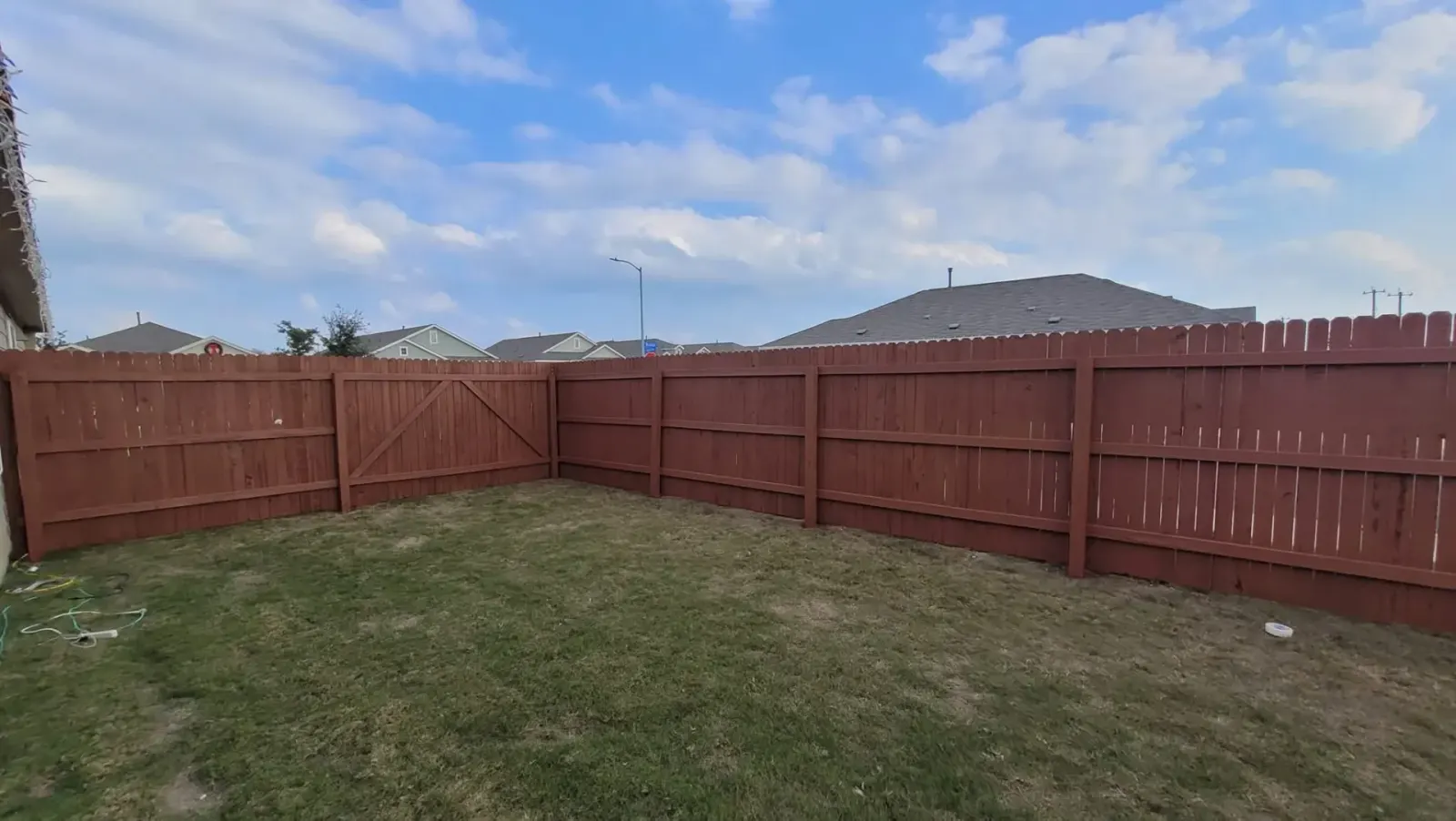
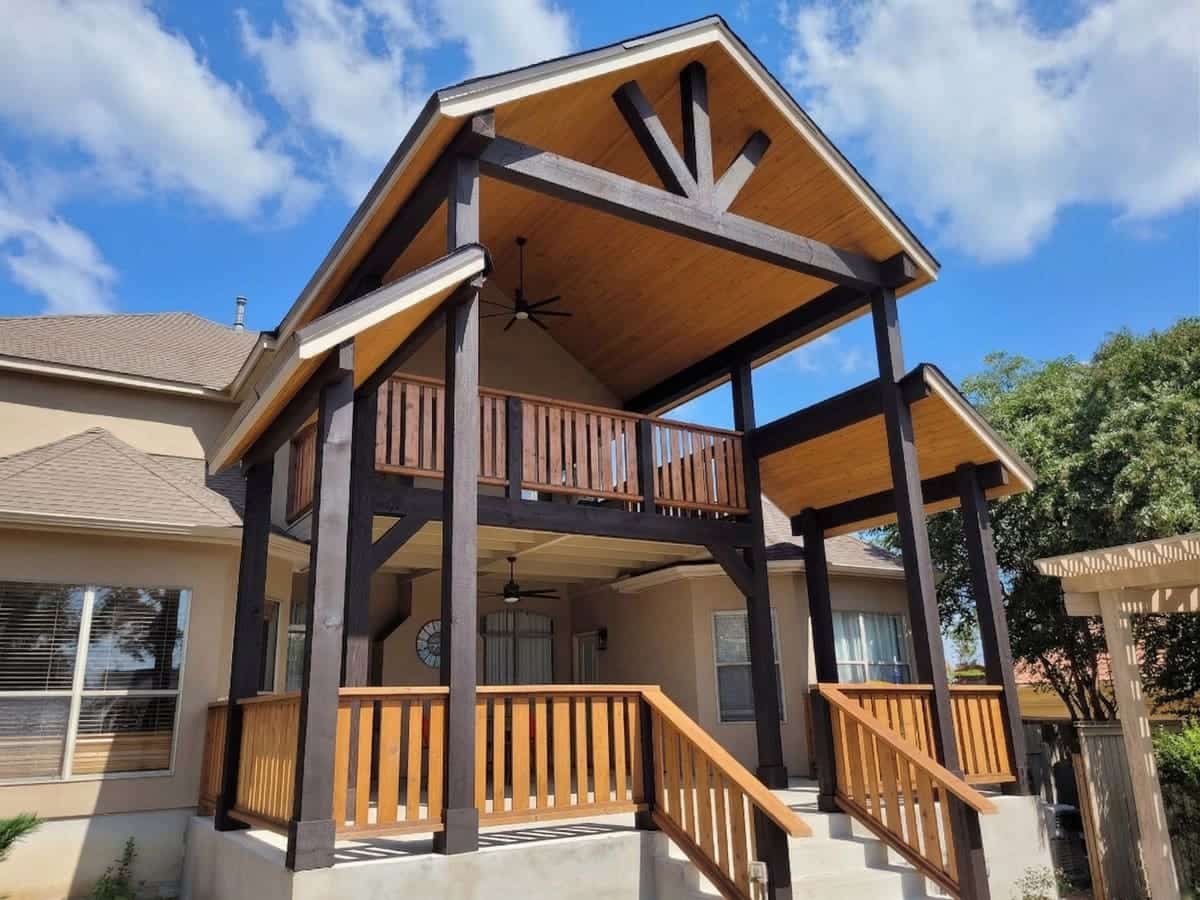
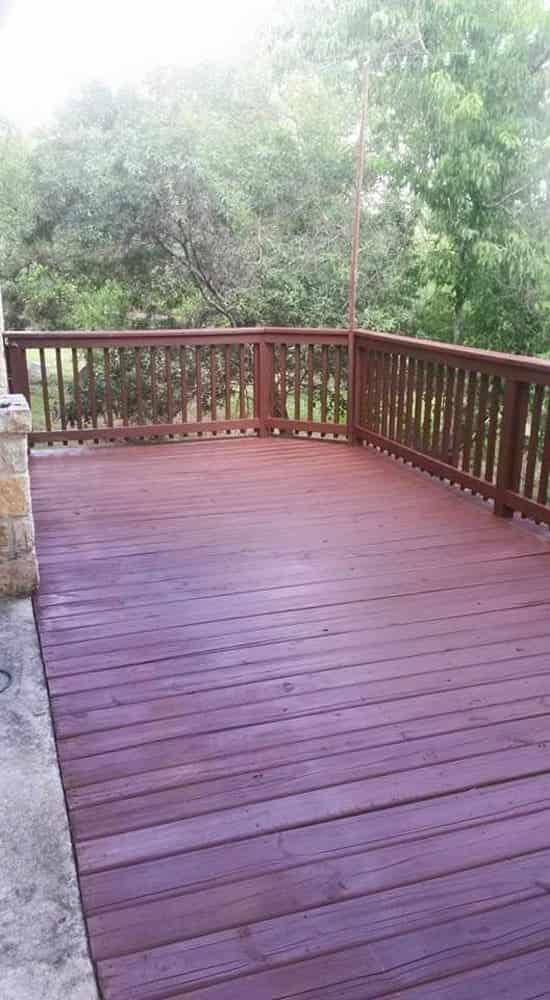
Recent Fence Staining Projects
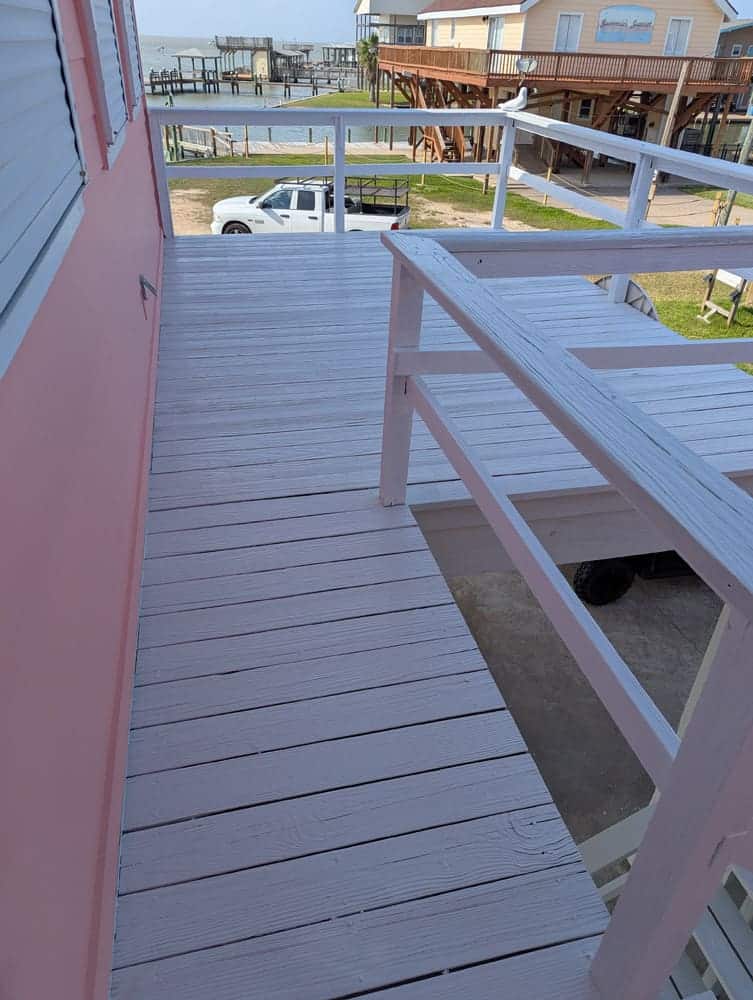
See some of the fence staining projects we've recently completed in the San Antonio area.
Explore more painting services in San Antonio: